Wood Siding: Costs, Styles, Finishes & Maintenance
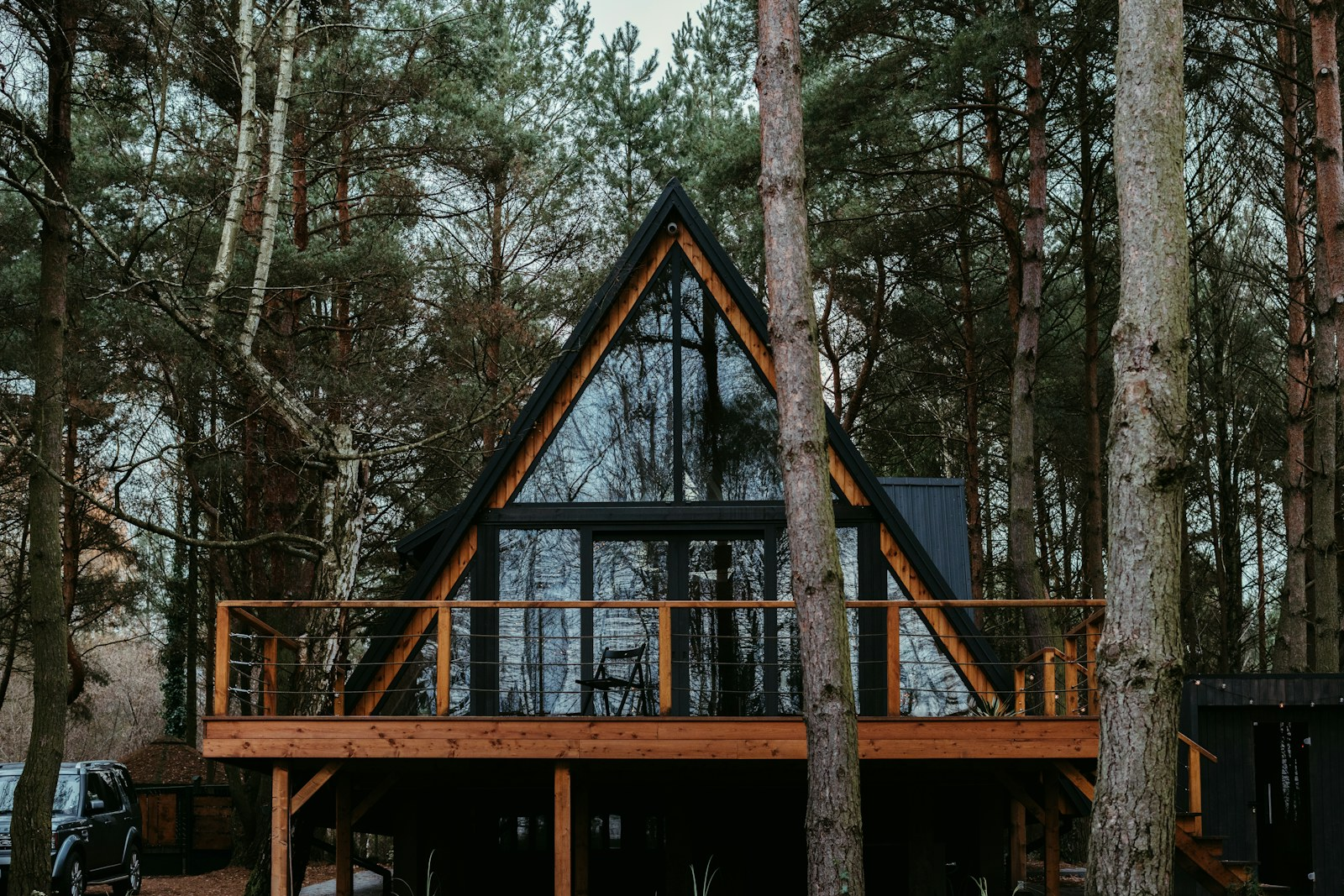
Specify species, grade, profile and finish.
Include preparation, coating and trim.
Consider refinishing and access costs.
Wood siding brings real grain, varied texture and a choice of painted or stained finishes to an exterior. It is worth considering when the character of natural timber matters to you and you are prepared to look after the finish. Choosing it well means specifying more than “cedar siding”: species, grade, profile, surface texture and coating all belong in the conversation.
This guide explains wood siding costs, design choices, upkeep and the questions to settle before hiring an installer. It covers natural wood; manufactured products have their own engineered wood siding guide. For the wider project budget, start with our siding installation cost guide.
Plan your project & request siding quotes ↓
What does wood siding cost?
HomeGuide publishes a broad installed wood siding range of $5–$15 per square foot. Treat it as an early planning allowance. It does not mean every species, grade or finish fits within that range, and it should not be added to a separate full labor allowance.
| Measured exterior siding area | Illustrative budget at $5–$15/sq. ft. |
|---|---|
| 500 sq. ft. | $2,500–$7,500 |
| 1,000 sq. ft. | $5,000–$15,000 |
| 1,500 sq. ft. | $7,500–$22,500 |
These examples use wall cladding area, not your home’s indoor floor area. Ask how openings, gables and ordering waste are handled. A small decorative accent can also have a higher effective unit cost because setup, deliveries and detailed trim work are spread over fewer square feet.
A primed-material quote and a fully stained installation are different scopes. Ask whether preparation, all specified coating work, removal, disposal and trim are included before comparing totals.
See natural wood on a real exterior
Use photographs to compare appearance, then review a physical sample of the product you are considering. Select a photo for a larger view without leaving this guide.
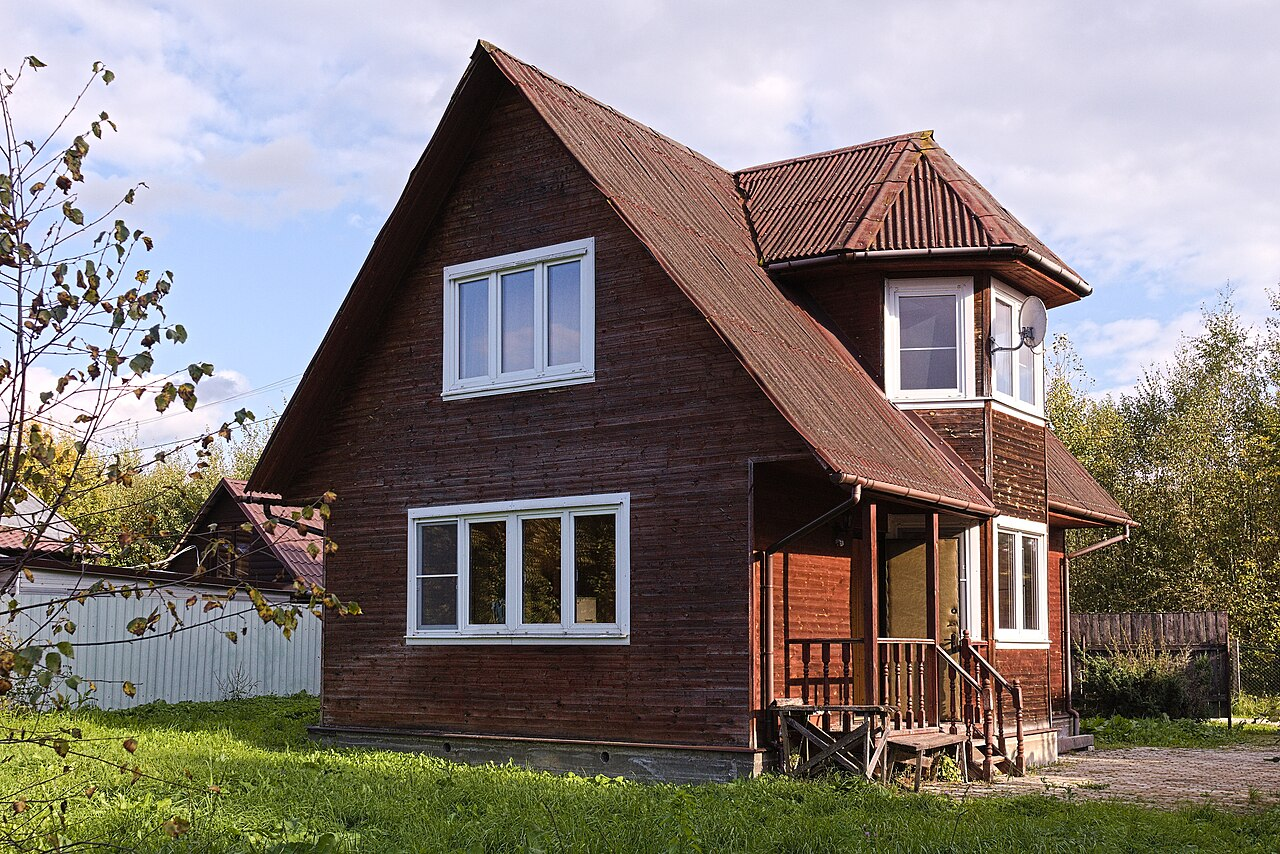 View larger photo ↗
This house in Russia is identified in the source as having blackened wood siding. Compare the horizontal courses and window contrast; the species and finish process are not verified.
Photo: Retired electrician / Wikimedia Commons · CC0 1.0. Displayed in a cropped frame; larger view shows the full photograph.These are independently sourced examples, not projects completed by Siding Cost Guide or an endorsement of a particular installer. Material identification follows the source description.
Long lines across the facade; specify the profile and exposure.
A vertical pattern; agree board and batten proportions.
Species, grade and profile
Start with a physical sample rather than a species name alone. Two boards sold as the same wood can look very different because of knots, grain, surface texture and the finish. Ask the supplier to explain the grade being offered and show the variation expected across an entire wall.
| Decision | What to specify | Why it matters |
|---|---|---|
| Species | Exact wood species and availability | Helps the installer obtain the material you approved. |
| Grade | Written grade and expected knots | Sets the appearance standard for delivered boards. |
| Profile | Bevel/lap, board and batten, shingles or another named profile | Changes the lines, shadows and trim layout. |
| Surface | Smooth or textured face | Affects the sample appearance and finish selection. |
| Finish | Coating system, color and who applies it | Makes preparation and future care part of the budget. |
Horizontal lap emphasizes long lines across a facade. Board and batten creates a vertical rhythm. Shingles can define a gable or porch accent without using the same pattern on every elevation. These are visual choices, not instructions to install a profile in an orientation its manufacturer has not approved.
Consider existing windows and corners when selecting the board exposure or shingle layout. Ask for a drawing or marked-up elevation showing where patterns change. A design that looks attractive in a close-up sample may become busy when repeated across a large house.
Approve the actual wood and proposed stain on a sample.
Specify preparation and the complete coating system.
Paint, stain and the finished appearance
Decide whether you want to emphasize the grain or use a more uniform color. Have the contractor prepare a sample with the proposed product and number of coats on the actual siding material. View it outdoors in shade and sunlight, beside your roof and window colors.
The Western Red Cedar Lumber Association emphasizes surface preparation when finishing cedar. Use its guidance for cedar and the selected coating manufacturer’s instructions, rather than assuming that one paint or stain specification suits every wood. Ask who handles preparation before installation, field cuts and finish work after the boards are installed.
Record the coating brand, product, color and application scope in the contract. “Paint included” leaves too much room for disagreement about primer, visible faces, cut ends and trim. If factory finishing is proposed, ask what on-site work remains and how damage during handling will be corrected.
Do not select an unfinished weathered look only from a photograph. Ask how exposed wood is expected to change on different elevations, and whether that approach is suitable for your selected species and assembly. Uneven shade, sheltered areas and existing stains can affect the appearance you get.
Installation and replacement questions
The siding is the visible part of a larger wall assembly. Before ordering boards, ask the contractor to explain the condition of the existing wall, the proposed water-management approach and details around windows, doors, roof intersections and other penetrations.
- Will the old cladding be removed, and what can be inspected afterward?
- What happens if damaged sheathing or framing is discovered?
- How will flashing and other transitions be coordinated with the siding work?
- Which current installation instructions apply to this exact profile?
- Who arranges permits, inspections and any related work by other trades?
Get a written process for concealed repairs: photographs, approval before extra work and agreed pricing where practical. A low initial bid can become difficult to compare if it leaves all preparation as an undefined extra.
If new siding will meet existing wood, review the junction and color match before work begins. New boards and older finished boards may differ even when the species matches. Ask whether the finish scope covers only the repaired area or an entire elevation to make the result more consistent.
Maintenance, repair or replacement?
Plan to inspect the finish and vulnerable details periodically, following the product guidance. Look for peeling, open joints, persistent staining or damaged boards, and arrange an assessment when the cause is unclear. Repeatedly painting over a wet or deteriorating area does not resolve the underlying problem.
There is no single refinishing interval that fits every wood-sided home. Coating choice, exposure and the condition of the surface matter. Ask the installer for a written care plan and a separate estimate for future access and preparation, especially where scaffolding may be needed.
For an existing house, compare three written scopes: local repair, repair plus refinishing of the affected elevation, and broader replacement. Each should identify what stays, what is replaced and what happens behind the damaged area. Avoid deciding from the visible surface alone.
Keep spare matching material when practical, together with product labels and finish records. Ask how it should be stored. Having a replacement board does not guarantee an invisible repair, but knowing the specification makes a future contractor’s job easier.
Is wood the right choice for your home?
Natural wood is a strong candidate when its texture is central to the design and ongoing finish care fits your plans. It deserves more thought if you want to minimize repainting access costs or cannot easily reach upper elevations.
Compare it with engineered wood and fiber cement using the same layout and finish scope. For another approach to exterior upkeep, review vinyl siding. Do not assume that a wood-like texture means these materials have the same installation details or maintenance requirements.
Ask each installer to separate product, trim, preparation, finish and repair allowances. Also compare workmanship coverage with product and coating warranties. A long product warranty alone does not establish who pays for access, removal or labor if a problem develops.
Plan your siding project
Bring a clear brief to your first contractor conversation.
Your home, your material choices, your scope.
- 01Describe the work
Installation or repair? List the walls, visible issues and photos to discuss.
- 02Choose your starting options
Note preferred materials, profiles and finishes. Ask about suitable alternatives.
- 03Compare a complete scope
Check removal, wall preparation, trim, repairs and warranty coverage.
Tell us about your installation or repair project using the quote request form. Contractor availability depends on your location and scope.
Common wood siding questions
Is cedar automatically the best option?
No single species is best for every project. Compare the specified grade, availability, appearance, finish guidance and installed scope. A well-defined specification is more useful than selecting by species name alone.
Can I keep some existing siding?
Possibly. Ask for an assessment of its condition and a plan for transitions, preparation and matching. The answer should follow inspection rather than a general promise to cover or retain everything.
How long will wood siding last?
A useful life estimate depends on the selected wood, installation, exposure and care. Ask the installer to explain the expected maintenance and repair plan instead of treating a generic lifespan claim as a guarantee.
Sources and cost methodology
View sources and pricing methodology
Cost benchmark: HomeGuide wood siding cost guide (dated June 23, 2025; reviewed October 1, 2026). Cedar-specific references: Real Cedar profiles, installation guidance and finishing guidance from the Western Red Cedar Lumber Association. Cedar guidance should not be generalized to every wood species.
Published national ranges are planning benchmarks, not a survey of today’s local bids. Our area examples are simple multiplication, not project estimates. Labor, product availability, access and concealed repairs can change the final price. Technical requirements depend on the selected system, manufacturer instructions and local code.