Fiber-Cement Siding: Costs, Styles & Buying Guide
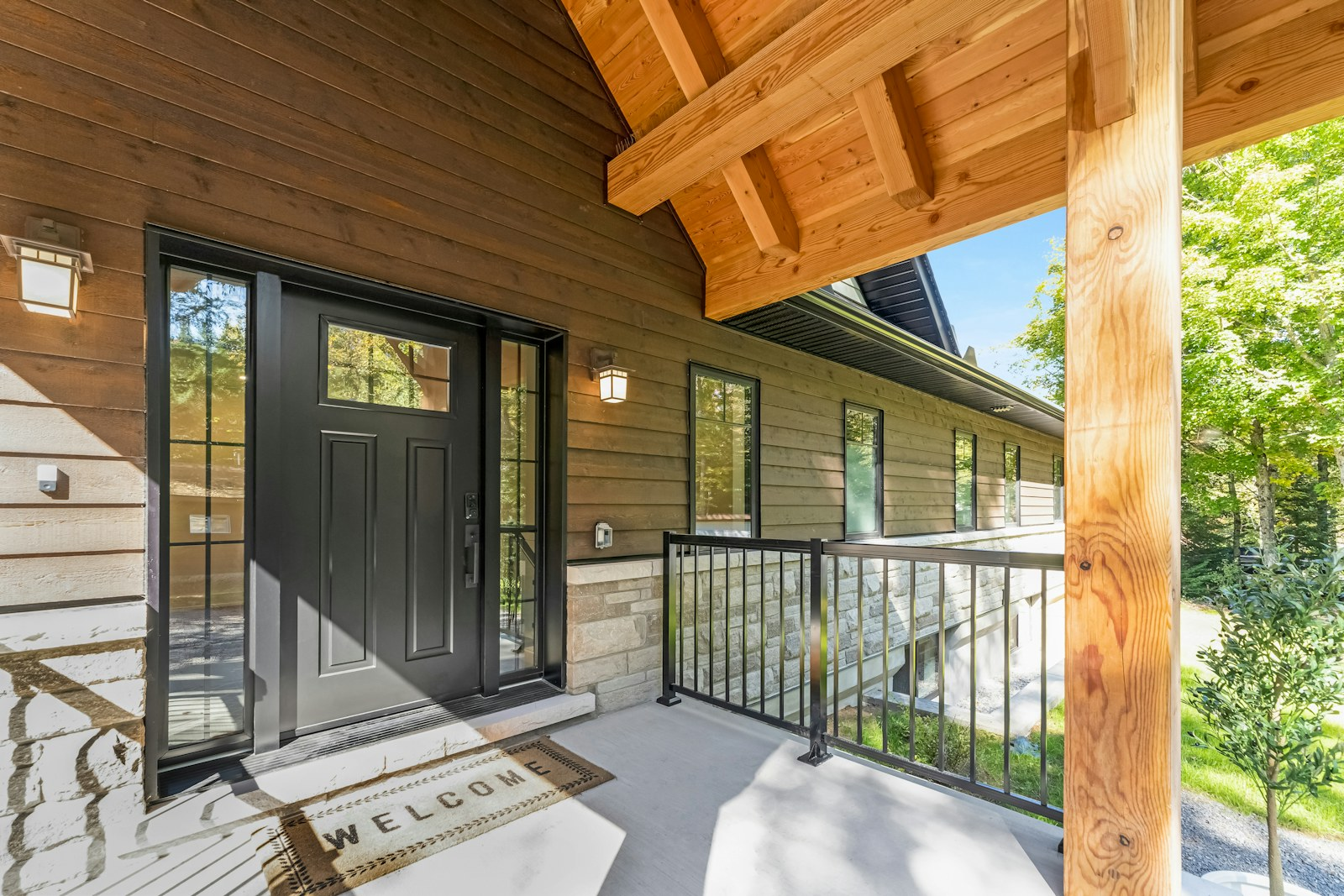
Agree where planks, panels or accents belong.
Include painting or factory-finish details.
Check product, finish and workmanship terms.
Updated October 1, 2026 · US homeowners · Prices in USD
Fiber cement offers several exterior styles, but the board is only one part of the decision. Compare the product, finish, wall preparation and future maintenance before choosing a contractor or committing to a budget.
Plan your project & request siding quotes ↓
What is fiber-cement siding?
James Hardie describes fiber cement as a material made with Portland cement, sand, water and cellulose fibers. Its product ranges include lap planks, panels, and shake or shingle styles. “Hardie” is a brand name; it does not identify every fiber-cement product on the market.
When comparing estimates, write down the exact manufacturer and product line. Ask the contractor to explain why that product is appropriate for your home and to supply its installation and care documentation. Claims about one manufacturer’s product should not automatically be applied to every product in the category.
Fiber-cement siding costs
Angi’s national siding guide lists fiber cement at $5–$14 per square foot. Applied to an assumed 1,500 square feet of exterior siding area, that gives an illustrative $7,500–$21,000. These totals are our calculations from the published rate; they are not measured local quotes.
| Price comparison | What to check |
|---|---|
| Product | Plank, panel or accent style; exact range and quantity |
| Finish | Factory-finished or a specified painting scope |
| Accessories | Trim, corners, fasteners and opening details |
| Preparation | Removal, wall inspection, repairs and weather-barrier work |
| Site costs | Access, equipment, protection, disposal and permits |
Source: Angi national cost guide. The house’s indoor floor area does not establish siding quantity. Confirm labor, painting and removal inclusions before using a unit rate.
Request separate prices for meaningful alternatives rather than a vague upgrade allowance. For example, compare the same wall scope with your preferred finish and a different finish option. If one contractor includes painting and another leaves it for you to organize, add that missing work before comparing their totals.
See a real fiber-cement installation
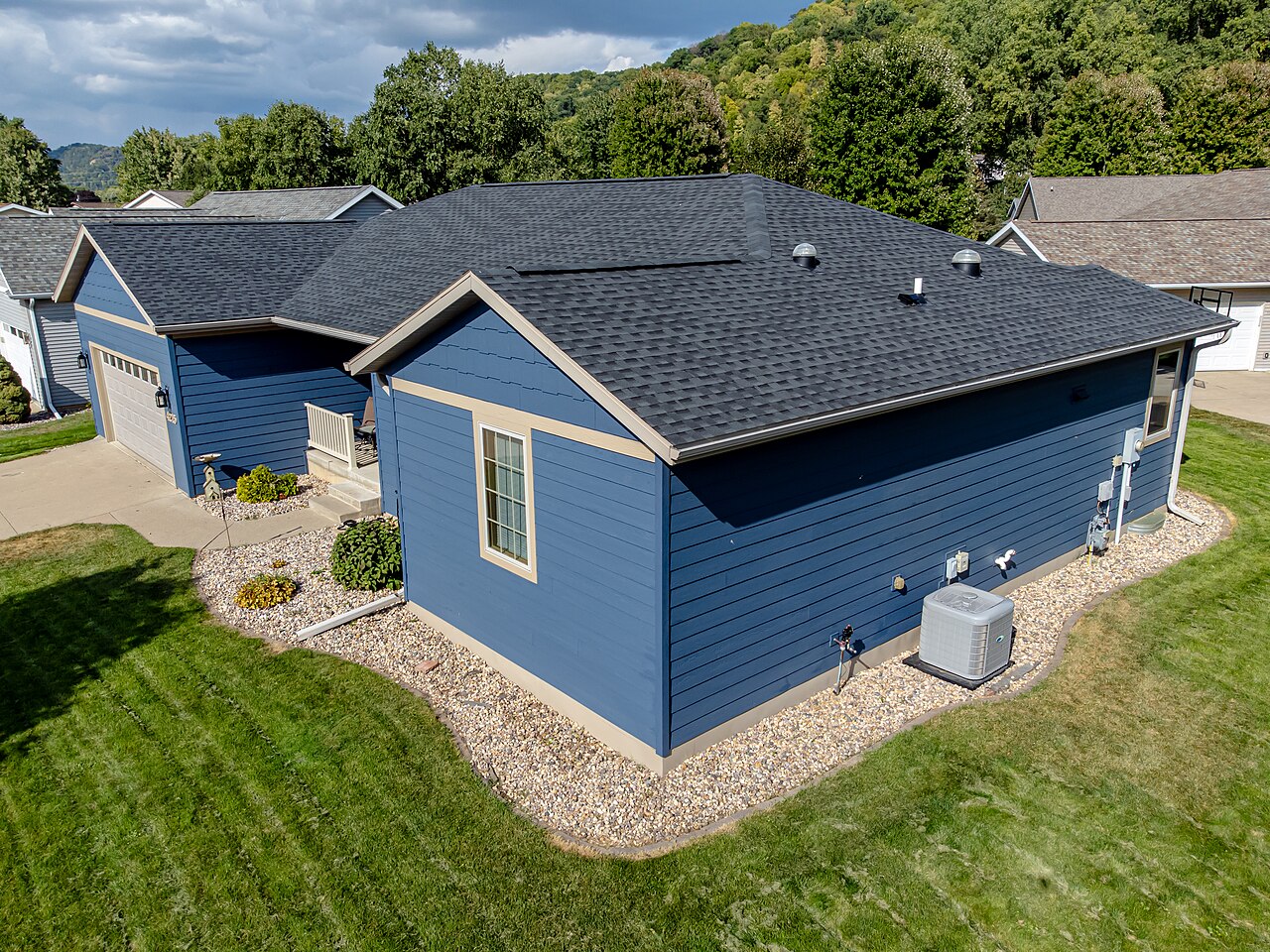
Use photographs to compare appearance, then review a physical sample of the product you are considering. Select a photo for a larger view without leaving this guide.
 View larger photo ↗
The photographer identifies this installation as fiber cement. Look at the repeated units, joints and trim. The brand, product line and installation date are not supplied.
Photo: Wikideas1 / Wikimedia Commons · CC0 1.0. Displayed in a cropped frame; larger view shows the full photograph.These are independently sourced examples, not projects completed by Siding Cost Guide or an endorsement of a particular installer. Material identification follows the source description.
Styles and finishes
Choose the visual layout before asking for a firm specification. Decide whether the house will use one main style or a mixture, and identify exactly where each style begins and ends. A simple elevation sketch can prevent confusion about decorative gables or side walls.
| Style to discuss | Design question |
|---|---|
| Lap siding | What exposure, texture and joint layout are proposed? |
| Panel with battens | How will the panel grid and batten spacing align with openings? |
| Shake or shingle accent | Which elevations receive it, and how are edges finished? |
| Mixed exterior | How will siding meet masonry, roof edges and other cladding? |
Horizontal courses across the main walls.
Vertical lines shape the visible layout.
A different texture can distinguish a gable.
Compare the whole finish system
Ask who supplies the coating, who applies it and who handles touch-ups. Record the selected color and sheen, and review samples outdoors. If painting is performed on site, the contract should explain which surfaces and trim are included and how the finish work is scheduled.
Do not assume a factory finish removes every future care task. Obtain the product-specific finish warranty and maintenance instructions. For site-applied coatings, ask for the coating maker’s documentation as well as the siding maker’s requirements.
Plan the installation scope
Ask the installer to show the applicable product instructions and to explain the details specific to your house. The estimate should name the wall-preparation work and show how openings, transitions and fixtures will be handled. A detailed scope makes the final appearance easier to agree and reduces uncertainty about additional charges.
- Before work: Confirm the surfaces included, access plan and protection for windows, landscaping and nearby property.
- After removal: Agree on how the exposed wall is assessed and how repair proposals are documented.
- During installation: Request photographs of concealed weather-barrier and opening work.
- At completion: Walk around each elevation with the contractor and record any outstanding items.
Use product instructions for installation details rather than a universal clearance or fastening rule. Ask the contractor how its team verifies those requirements. If your property has unusual exposure or design constraints, obtain a written explanation of the selected system before work begins.
Confirm delivery checks, installation touch-ups and finish warranty.
Confirm coating, included surfaces, scheduling and responsibility.
Care and long-term budgeting
For its own siding, James Hardie recommends a low-pressure hose and a soft nonmetal brush for cleaning rather than a high-pressure washer. Follow the instructions for your selected brand and finish; do not assume the same cleaner or method is suitable for every coating.
Keep product records somewhere you can find them: invoice, finish details, installation photos, warranty and care instructions. When hiring a cleaner or painter later, supply those documents before approving the work.
Make your long-term budget concrete. Ask for a list of expected care tasks and the signs that should trigger inspection. If repainting is a future possibility, obtain an indicative local painting quote for the relevant elevations. Treat this as a separate planning estimate rather than a guaranteed repainting interval.
Inspect the exterior from ground level and document changes after storms or other incidents. A visible crack, damaged finish or concern at an opening merits an assessment; the repair plan should address the cause and the affected area. Avoid accepting a purely cosmetic remedy without understanding what has been checked.
Compare fiber cement with vinyl
Our vinyl siding guide covers the other common starting option. Compare complete projects with the same exterior area, preparation and trim scope. A material-only price is not a substitute for the installed price.
| Decision | Useful comparison |
|---|---|
| Appearance | Samples and completed installations of the exact products |
| Budget | Total including any painting and required preparation |
| Maintenance | Written cleaning and finish requirements |
| Repair | Replacement product availability and matching options |
| Confidence | Relevant installer experience and a clearly defined warranty |
If you remain undecided, ask each contractor to price both specifications where they offer them. A side-by-side proposal can show whether the additional amount buys a style you value or simply reflects different inclusions.
Questions to ask about warranties
Separate the siding product, the finish and the installer’s workmanship. Request the actual documents before signing, rather than relying on a headline number of years.
- Who provides each warranty, and what does it cover?
- What registration or documentation is required?
- Are there exclusions relevant to the planned installation?
- What maintenance obligations apply?
- Who handles a claim, and which costs might remain yours?
A warranty term is not a promised service life. Keep the scope and product details accurate so that future questions can be checked against the right documents.
Choose a finish with a clear handover plan
When comparing factory-finished and site-painted options, start with responsibility. Who orders the siding, checks the delivered finish, applies any coating and signs off the completed appearance? Ask how the installer will document touch-ups and which instructions apply to the final finish.
For a site-painted proposal, request the coating specification and identify the surfaces included. Trim, accent panels and accessory pieces should be named rather than assumed. Ask how the painting stage fits around other exterior work and what happens if conditions delay it.
A siding installation price without the required finishing work is not directly comparable with a proposal for the finished project. Make the scope match before judging the difference.
Use a simple elevation plan
Draw the front, rear and side walls as separate views. Mark the main siding style, any accent area and the trim color. Add the windows and doors so the contractor can explain the proposed layout around them. The drawing does not need architectural detail to make the intended appearance clearer.
For panel-and-batten layouts, ask the installer to show the spacing on that sketch. For lap siding, discuss the chosen exposure and where changes of material occur. For a gable accent, identify its boundary and edge treatment. These are useful design decisions to settle before the crew starts fitting material.
Set a useful completion checklist
Walk around the house with the contractor and compare each elevation with the agreed drawing and specification. Record concerns about the visible finish, omitted pieces or unfinished work. Ask for the care instructions for the final installed product and coating, and keep them with the invoice.
If something changes during installation, update your records. A substituted color, accessory or finish should be identified in writing and agreed before it becomes part of the project. Accurate records help future cleaners, painters and repair contractors work with the actual exterior rather than the original plan.
Plan your siding project
Bring a clear brief to your first contractor conversation.
Your home, your material choices, your scope.
- 01Describe the work
Installation or repair? List the walls, visible issues and photos to discuss.
- 02Choose your starting options
Note preferred materials, profiles and finishes. Ask about suitable alternatives.
- 03Compare a complete scope
Check removal, wall preparation, trim, repairs and warranty coverage.
Tell us about your installation or repair project using the quote request form. Contractor availability depends on your location and scope.
Frequently asked questions
Is fiber cement always more expensive than vinyl?
National benchmarks place its lower starting rate above vinyl, but the ranges overlap. Compare the complete local scope rather than assuming a fixed difference.
Does fiber cement need painting?
That depends on the product and finish. Establish whether the initial coating is included and obtain the ongoing care requirements.
Is Hardie siding the same as all fiber cement?
No. James Hardie is one manufacturer. Compare specifications and guidance for the product actually being quoted.
Sources and editorial approach
View sources and pricing methodology
Reviewed October 1, 2026. National rates are published benchmarks, not Siding Cost Guide survey results. Project examples are our calculations. Manufacturer guidance is identified as product-specific; our checklists help organize contractor discussions.